
Elevate Your Space with Stylish Home Accessories in Pakistan
July 20, 2025
Top 7 Must‑Have Kitchen Gadgets in Pakistan 2025
July 20, 2025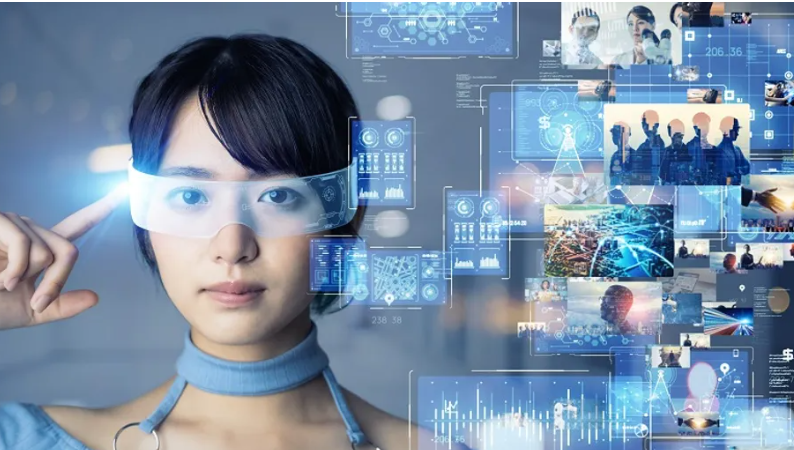
Introduction to Wearable Technology
Wearable technology has rapidly emerged as one of the most innovative sectors in modern technology. From smartwatches and fitness trackers to smart glasses and wearable medical devices, these gadgets are transforming the way we live, work, and monitor our health. As digital advancements continue, wearable devices are becoming more integrated into daily life, providing users with real-time data, connectivity, and convenience.
What Is Wearable Technology?
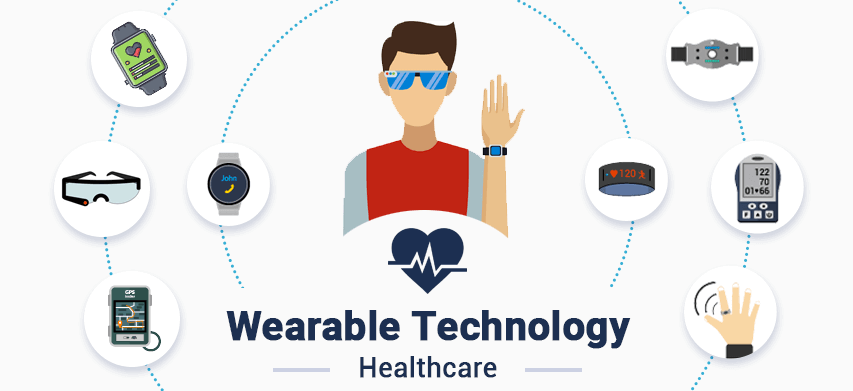
Wearable technology refers to electronic devices that are worn on or close to the body. These devices are often embedded with sensors, software, and connectivity features, allowing them to collect data, interact with other devices, and provide useful insights to the user. Common examples of wearable devices include:
- Smartwatches
- Fitness trackers
- Smart clothing
- Wearable healthcare monitors
- Virtual reality (VR) headsets
- Augmented reality (AR) glasses
These gadgets not only offer convenience but also provide valuable data to improve health, productivity, and lifestyle management.
Evolution of Wearable Devices
The evolution of wearable devices started with simple pedometers and has now expanded into sophisticated gadgets that can monitor heart rate, blood pressure, sleep patterns, and even stress levels. Wearable technology has advanced from basic tools to multi-functional smart devices capable of performing complex tasks.
In recent years, the combination of artificial intelligence (AI), machine learning, and the Internet of Things (IoT) has significantly enhanced the capabilities of wearable technology, making devices smarter and more personalized.
Wearable Technology in Healthcare
One of the most impactful uses of wearable technology is in the healthcare sector. Wearable healthcare devices are revolutionizing patient care by providing continuous monitoring and early detection of health issues. Devices such as smartwatches and fitness trackers can measure:
- Heart rate
- Blood oxygen levels
- Electrocardiograms (ECG)
- Sleep quality
- Physical activity
These wearable devices help individuals manage chronic conditions, such as diabetes or hypertension, by tracking vital signs and sending alerts when abnormalities are detected. Furthermore, remote monitoring reduces the need for frequent hospital visits, providing patients and healthcare providers with real-time data for better decision-making.
Wearable Technology in Fitness and Sports
Fitness trackers and smartwatches are among the most popular wearable devices in the market today. They help individuals monitor their fitness goals by tracking:
- Steps taken
- Calories burned
- Heart rate during exercise
- Distance traveled
Athletes and fitness enthusiasts use wearable technology to improve performance and prevent injuries. Advanced fitness trackers can analyze running patterns, body posture, and even hydration levels. These insights allow users to optimize their workouts and enhance overall physical well-being.
The Role of Wearable Technology in Workplace Safety
In industrial sectors, wearable technology is enhancing workplace safety. Smart helmets, wearable sensors, and smart clothing are being used to monitor workers’ health and environmental conditions. These wearable devices can detect fatigue, exposure to hazardous substances, or abnormal heart rates, ensuring immediate responses to potential health threats.
By using wearable technology in the workplace, companies can reduce accidents and improve employee well-being, leading to a safer and more efficient working environment.
Smartwatches: The Gateway to Wearable Technology
Among all wearable devices, smartwatches have become the most mainstream gadget. A smartwatch is more than just a timekeeping device; it serves as an extension of a smartphone, allowing users to:
- Receive calls and messages
- Monitor fitness and health metrics
- Access navigation apps
- Control smart home devices
With advanced features like GPS tracking, contactless payments, and health monitoring, smartwatches are central to the growth of wearable technology.
Challenges and Privacy Concerns of Wearable Technology
Despite the benefits, wearable technology faces several challenges. One of the primary concerns is data privacy. Wearable devices collect sensitive personal information, including health data and location history. Ensuring the security and confidentiality of this data is crucial. Manufacturers and developers must implement strict cybersecurity measures to protect user data from breaches.
Another challenge is battery life. Many wearable devices require frequent charging, which can reduce their usability and convenience. Continued innovation is necessary to improve battery efficiency and make wearable technology more user-friendly.
The Future of Wearable Technology
The future of wearable technology is promising and filled with potential. Emerging trends include:
- Smart clothing embedded with sensors for fitness and health monitoring
- Augmented reality glasses for immersive experiences in gaming and education
- Wearable medical devices for continuous health diagnostics
- Brain-computer interfaces that connect thoughts to devices
As AI and IoT technologies advance, wearable devices will become more personalized, predictive, and seamless in their integration with daily life.
Conclusion
Wearable technology is revolutionizing the way humans interact with the digital world. From fitness trackers to wearable healthcare devices, these innovations are improving health, enhancing productivity, and making daily activities more efficient. As the technology evolves, wearable devices will continue to play a crucial role in shaping a smarter and more connected future. Embracing wearable technology is no longer just a trend—it is becoming an essential part of modern living.