
Unique Gadgets: Cool Tech You Didn’t Know You Needed
July 19, 2025Kitchen Accessories in Pakistan: A Complete Guide for Every Home
July 20, 2025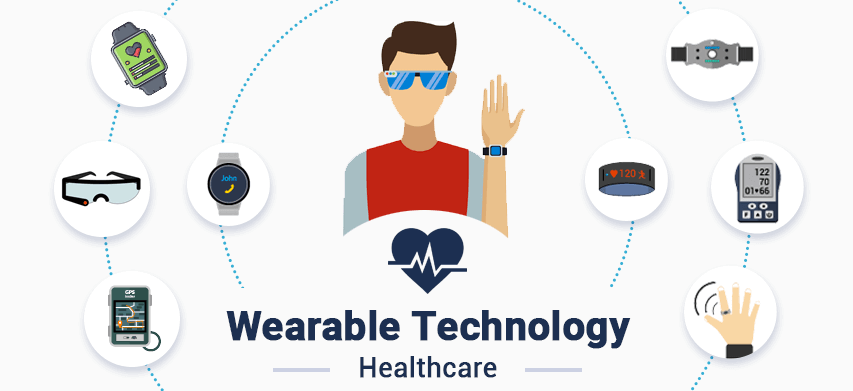
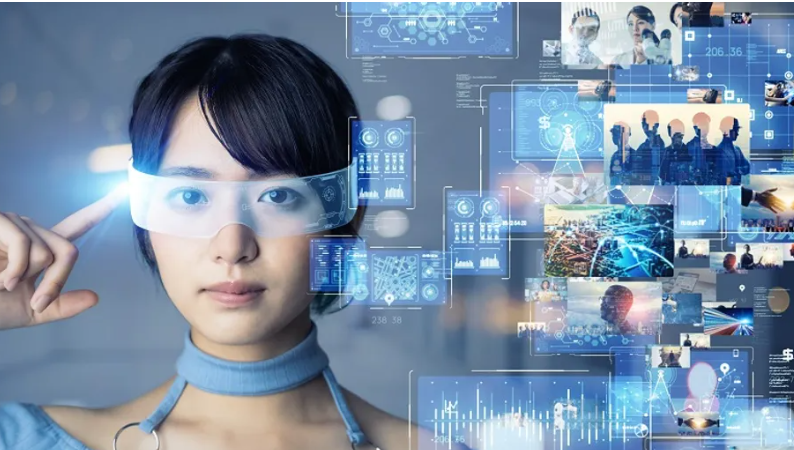
In the last decade, wearable technology has shifted from a futuristic concept to a reality that’s part of everyday life. From smartwatches and fitness trackers to augmented reality glasses and smart clothing, these devices have become powerful tools that blend seamlessly with our lifestyle. But how does wearable technology truly compare to the more traditional gadgets we’ve come to rely on? The comparison reveals a clear trend: wearable devices are not just evolving—they’re revolutionizing the way we live, work, and stay healthy.
The Rise of Wearable Technology
Wearable technology refers to electronic devices designed to be worn on the body. These gadgets often sync with smartphones, tablets, or computers, collecting and transmitting data in real time. The earliest and most recognized example is the smartwatch, which has quickly grown into a multi-billion-dollar market. According to industry reports, global shipments of wearable devices exceeded 500 million units in 2024, a testament to their increasing relevance and popularity.
The surge in wearable technology can be attributed to three major factors: convenience, personalization, and real-time data. Unlike traditional electronics that require manual input and interaction, wearable devices are hands-free, always connected, and tailored to individual needs.
A Positive Comparison: Wearables vs. Traditional Devices
To better understand the impact of wearable technology, let’s compare it with traditional tech across key categories:
1. Health Monitoring
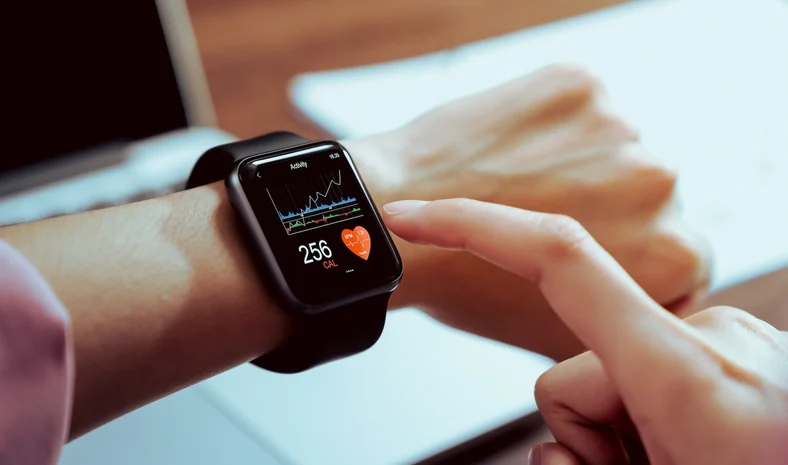
Wearable technology has redefined personal health care. Traditional devices like digital thermometers or manual blood pressure monitors require a user to perform checks periodically. In contrast, wearable health trackers such as Fitbit, Apple Watch, and Garmin continuously monitor key health metrics like heart rate, sleep quality, and blood oxygen levels.
Moreover, many wearables now offer ECG readings, fall detection, and emergency alerts. This real-time monitoring allows users to track trends over time, and in some cases, detect issues before they become serious—something traditional tools cannot offer without constant usage.
Winner: Wearable Technology
2. Fitness and Lifestyle Integration
In the past, staying fit relied heavily on motivation and guesswork. You had to estimate how many calories you burned or how far you walked. But wearable technology takes the guesswork out of the equation.
Modern fitness trackers count steps, calculate calories burned, monitor hydration, and even suggest personalized workout routines based on your progress. The gamification aspect—like badges, goals, and challenges—adds a layer of motivation that traditional methods simply lack.
Winner: Wearable Technology
3. Communication and Connectivity
Traditional mobile phones and computers still dominate this space, but wearables are gaining ground quickly. Smartwatches now let users make calls, send texts, check notifications, and even pay for groceries—all from their wrist.
In work environments, wearable technology like smart glasses enables remote collaboration by allowing users to stream what they see to a colleague in real time. This hands-free mode of communication can be a game-changer in industries such as construction, healthcare, and logistics.
Winner: Wearable Technology
4. Style and Comfort
Some critics of wearable technology argue that these devices can be bulky or unattractive. While this was true in the early years, the latest iterations are sleek, fashionable, and comfortable. Brands like Apple, Samsung, and even fashion houses like Louis Vuitton have partnered to create wearables that double as luxury accessories.
Compared to carrying a laptop or constantly pulling out a smartphone, a wearable device offers discreet, stylish, and convenient functionality.
Winner: Wearable Technology
The Limitations: Is Wearable Technology Perfect?
Despite the many advantages, wearable technology is not without its limitations. Battery life is a common issue, especially for devices with advanced sensors or displays. Privacy concerns are also a hot topic, as these devices collect a large amount of personal data that could be misused if not properly secured.
There’s also the cost factor. High-end smartwatches and health trackers can cost hundreds of dollars, putting them out of reach for some consumers. However, as the technology matures and becomes more accessible, prices are expected to drop.
Healthcare and Beyond: Emerging Applications
One of the most promising areas for wearable technology is healthcare. Hospitals are beginning to use wearables to monitor patients remotely, reducing the need for prolonged stays. In chronic disease management, wearable insulin pumps and ECG monitors are offering patients greater freedom and control.
Beyond health, wearable technology is influencing sports, education, and even mental wellness. Smart textiles can adjust temperature based on activity levels. Mood-sensing devices use skin conductivity and heart rate variability to detect stress and recommend relaxation techniques.
Military and defense sectors are also leveraging wearables for real-time tracking, performance monitoring, and situational awareness, showing just how versatile the technology can be.
Environmental and Social Impact
Interestingly, wearable technology also has the potential for a positive environmental and social impact. Devices that promote healthier lifestyles could reduce healthcare costs and lessen the strain on public systems. Moreover, energy-efficient designs and recycling programs from manufacturers help reduce electronic waste, making wearables a more sustainable option compared to larger, less eco-friendly gadgets.
On a societal level, wearable technology fosters inclusion, especially for people with disabilities. For example, smart hearing aids, visual assistance glasses, and navigation aids for the visually impaired are all helping to create a more inclusive world.
The Future of Wearable Technology
So, where is wearable technology headed? Experts predict that it will continue to get smaller, smarter, and more integrated into our clothing and daily routines. Think of sensors woven directly into fabrics or devices powered by the body’s natural movements. The boundary between technology and biology is narrowing, opening up exciting possibilities in personalized medicine and adaptive AI.
As artificial intelligence becomes more advanced, wearables will not just collect data but interpret and act on it. For example, future devices may detect early signs of disease and schedule appointments automatically or adjust your environment to improve mood and productivity.
Final Thoughts
The comparison between traditional gadgets and wearable technology clearly shows that the latter offers more personalized, real-time, and seamless experiences. While not perfect, the pros of wearables far outweigh the cons, making them a worthwhile investment for anyone interested in enhancing their lifestyle, health, and productivity.
From fitness and health to communication and convenience, wearable technology is not just a trend—it’s a transformation. As these devices become more intuitive and integrated, they will continue to reshape our world in ways we’re only beginning to imagine.